-
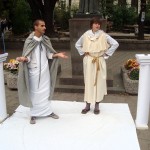
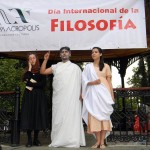
- Sofia. The New Acropolis Theatre & Poetry Group gave several philosophical theater performances on the streets of the capital city to celebrate World Philosophy Day.
-
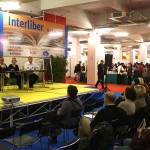
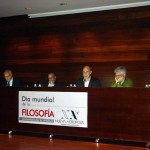
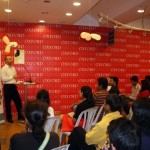
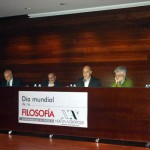
- Zagreb, November. Presentation of World Philosophy Day at the Book and Publishers Fair of Croatia.
-
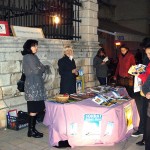
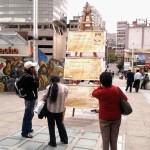
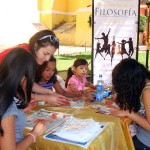
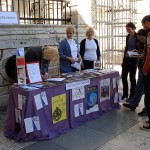
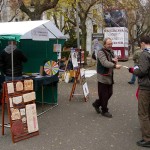
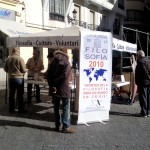
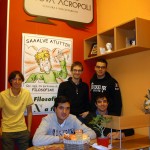
- Zadar (Croatia). Information Stand in one of the town’s squares, dedicated to World Philosophy Day.
-
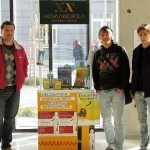
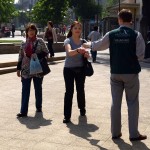
- Rijeka (Croatia). Information booth dedicated to World Philosophy Day.
-
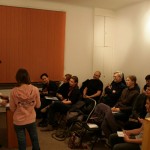
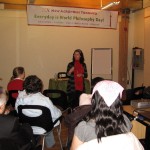
- Varsaw. On the occasion of World Philosophy Day, New Acropolis organized various events: lectures, films, audiovisuals and workshops, including a documentary dedicated to the philosopher Aristotle.
-
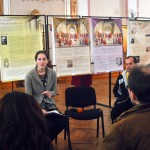
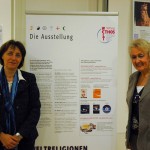
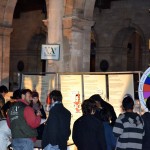
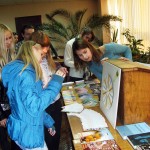
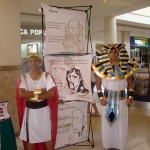
- Timisoara (Romania). On “World Philosophy Day” N.A. volunteers set up a small exhibition of posters to present how we understand philosophy today and the importance of putting it into practice, recovering the classical concept of its definition as “Love for Wisdom”.
-
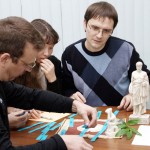
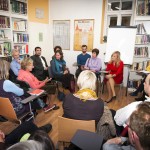
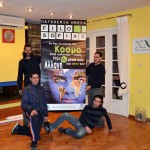
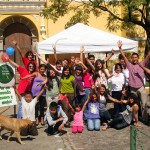
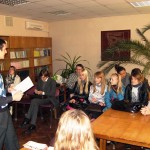
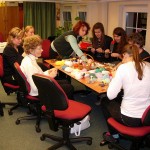
- Samara (Russia). Among the activities dedicated to World Philosophy Day, a series of philosophical games were organized under the slogan “Young people versus the wise men”, which attracted a large audience of children and young people.
-
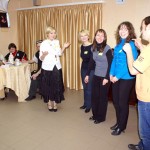
- NA center in Nizhni Novgorod. Games and philosophical contests for young people on World Philosophy Day.
-
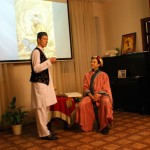
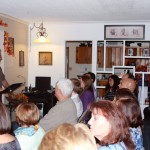
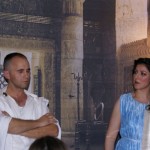
- Kaliningrad (Russia). Theater Evening with presentations relative to the theme “The happiness of being a Philosopher” during the celebration of World Philosophy Day.
-
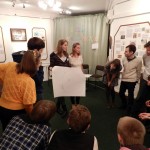
- St Petersburg (Russia). Philosophical games “We are looking for Man!”, an activity for young people and adults on World Philosophy Day.
-
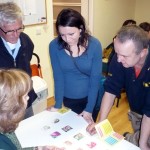
- Bratislava (Slovakia). Open House Day organized at N.A.’s headquarters during “World Philosophy Day”. Under the title “In search of lost symbols” a presentation of the cultural activities offered by New Acropolis was held, aimed at unravelling the meanings of symbols, a language for all times,.
-
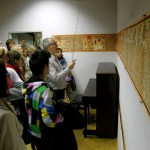
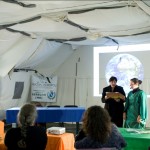
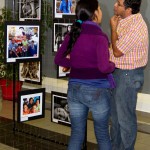
- Liubliana (Slovenia). On the occasion of World Philosophy Day NA held seven different lectures and set up two exhibitions: Papyrus of Ani and exhibition of photos with statues of mythological figures in the city. The papyrus – printed in full and measuring 32 meters – was exhibited at the events hall.
-
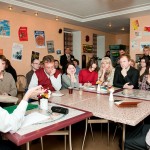
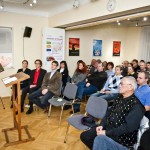
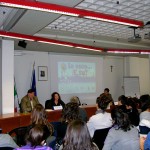
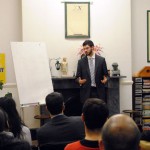
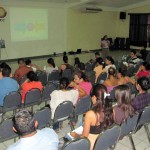
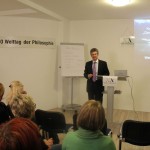
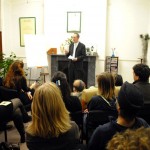
- Kiev (Ukraine). Open Doors Day at the NA Center on the occasion of World Philosophy Day. President A. Musulin spoke on “The Relevance of Philosophy and Spiritual Values Today”.
-
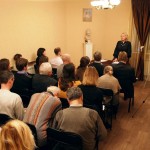
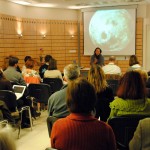
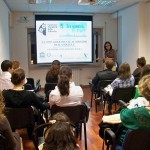
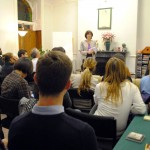
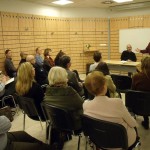
- On World Philosophy Day, Professor Korablova Nadiya S. of the Philosophy Faculty at the National University in Kharkiv (Ukraine) gave a lecture on “Ukrainian Philosophical Thought” at NA headquarters.